
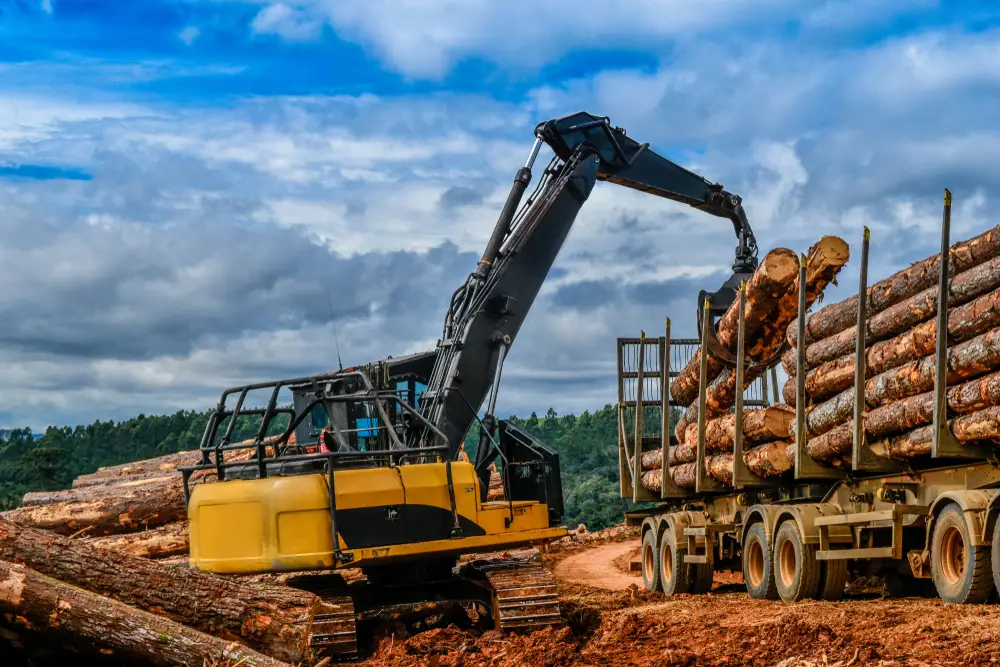
Modern forestry operations demand precision, efficiency, and reliability that only industrial forestry equipment can deliver. From logging winches to specialized harvesting machinery, professional-grade equipment transforms challenging woodland tasks into manageable operations. Whether you’re managing large-scale timber harvests or conducting selective logging in sensitive areas, understanding the advantages of heavy-duty forestry machinery can significantly impact your operational success and bottom line.
Enhanced productivity and operational efficiency
Industrial forestry equipment dramatically increases work output compared to traditional manual methods. Logging winches can pull massive logs across difficult terrain in minutes, while specialized harvesters can process multiple trees per hour. This enhanced productivity translates directly into cost savings and faster project completion times.
Modern equipment integrates advanced hydraulic systems and computerized controls that optimize performance for specific tasks. These systems automatically adjust power delivery based on load requirements, ensuring consistent operation throughout demanding workdays. Operators can maintain steady production rates even when working with varying tree sizes and terrain conditions.
The precision control offered by industrial machinery also reduces waste and maximizes timber value. Professional forestry equipment allows operators to make precise cuts, position logs accurately, and handle materials with minimal damage. This level of control is impossible to achieve with manual methods, making industrial equipment essential for profitable operations.
Superior safety standards in challenging environments
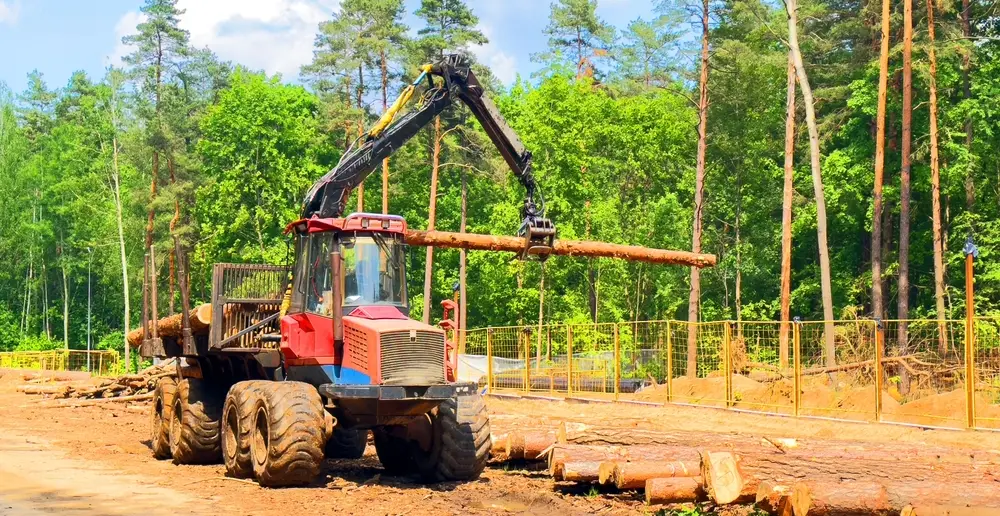
Safety remains the top priority in forestry operations, where workers face numerous hazards daily. Industrial forestry equipment incorporates multiple safety features designed to protect operators and ground crews. Heavy-duty logging winches include automatic brake systems, load monitoring, and emergency stop controls that prevent accidents during critical operations.
Remote operation capabilities allow operators to maintain safe distances from falling trees and moving logs. Many modern systems feature radio-controlled winches that can be operated from secure positions, eliminating the need for personnel to work in high-risk zones. This remote functionality is particularly valuable during storm damage cleanup or when working on steep slopes.
Enclosed operator cabs provide protection from falling debris, weather conditions, and noise exposure. These cabs often include rollover protection structures (ROPS) and falling object protection systems (FOPS) that meet strict industry safety standards. Advanced visibility systems, including backup cameras and LED lighting, help operators maintain situational awareness in challenging conditions.
Versatility across diverse forestry applications
Industrial forestry equipment adapts to various operational requirements, from selective thinning to clear-cutting operations. Specialized logging machinery can be configured with different attachments and settings to handle specific tasks efficiently. This versatility eliminates the need for multiple specialized tools, reducing equipment costs and simplifying logistics.
Winch systems can be mounted on different carrier vehicles, from compact tractors for small-scale operations to heavy-duty crawler carriers for demanding terrain. This flexibility allows operators to match equipment capabilities with specific site conditions and project requirements. The same winch system might handle trail construction in the morning and log extraction in the afternoon.
Modern equipment also performs well in various weather conditions and seasonal applications. Specialized tracks and tires maintain traction in muddy conditions, while heating systems ensure reliable operation in cold weather. This year-round capability maximizes equipment utilization and provides consistent revenue streams for forestry contractors.
Long-term cost benefits of industrial forestry equipment
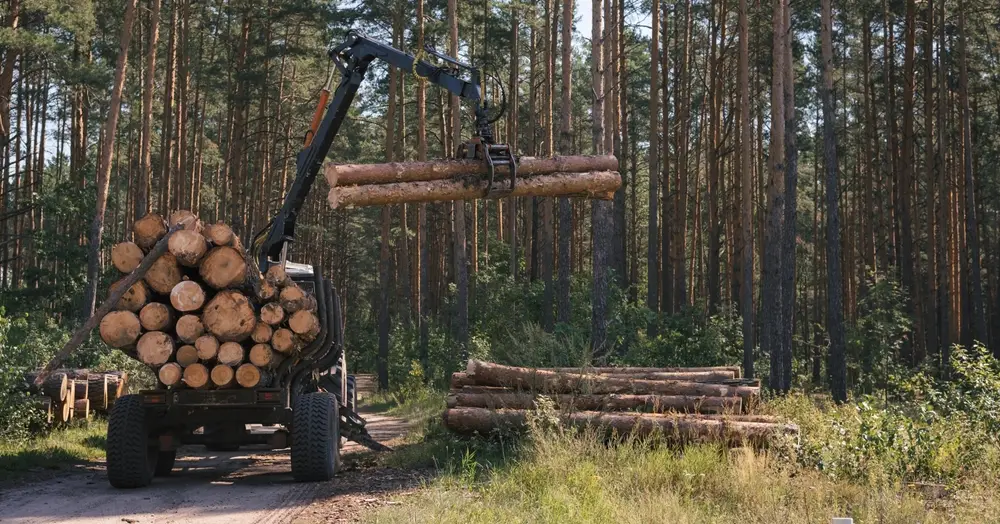
While industrial forestry equipment requires significant upfront investment, the long-term financial benefits far outweigh initial costs. Professional-grade machinery operates for thousands of hours with proper maintenance, providing decades of reliable service. This durability reduces per-hour operating costs and minimizes unexpected downtime that can derail project schedules.
Fuel efficiency improvements in modern equipment reduce operating costs substantially. Advanced engine management systems optimize fuel consumption based on load demands, while hydraulic systems recover and reuse energy during operation. These efficiency gains compound over time, resulting in significant cost savings compared to older equipment or manual methods.
The precision and speed of industrial equipment also reduce labor costs by enabling smaller crews to accomplish more work. A single operator with proper equipment can often complete tasks that would require multiple workers using traditional methods. This labor efficiency becomes increasingly important as skilled forestry workers become more difficult to find and retain.
Environmental advantages and sustainable practices
Modern industrial forestry equipment supports sustainable forest management through precise operation and reduced environmental impact. Advanced systems minimize soil compaction by distributing weight evenly and using specialized tracks designed for forest conditions. This careful approach preserves soil structure and protects sensitive ecosystems.
Selective harvesting capabilities allow operators to remove specific trees while preserving surrounding vegetation. This precision supports wildlife habitat conservation and maintains forest biodiversity. Computer-controlled systems can be programmed to avoid sensitive areas and follow predetermined extraction routes that minimize environmental disturbance.
Reduced emissions from efficient engines contribute to environmental stewardship goals. Many manufacturers now offer equipment that meets strict emission standards while maintaining high performance levels. These cleaner-running machines help forestry operations meet environmental regulations and corporate sustainability commitments.
Investing in industrial forestry equipment represents a commitment to operational excellence, safety, and sustainability. The combination of increased productivity, enhanced safety, versatility, cost-effectiveness, and environmental responsibility makes professional-grade machinery essential for successful forestry operations. Whether you’re expanding existing capabilities or starting new projects, choosing the right equipment can transform your operational potential. Contact our team today to discuss heavy-duty forestry equipment solutions that match your specific operational requirements and help you achieve your project goals efficiently and safely.