
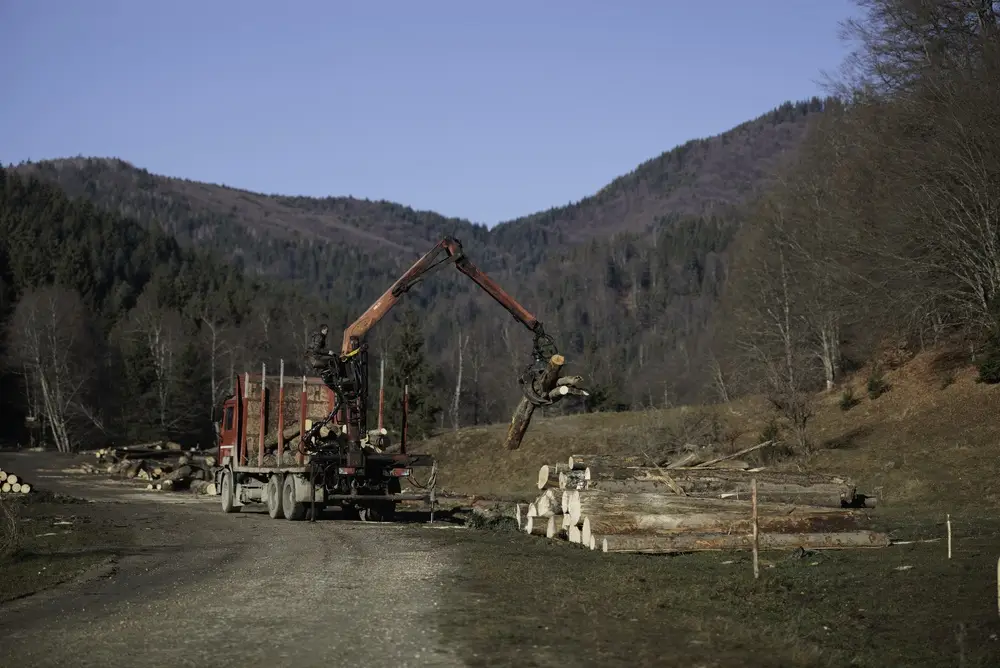
The modern forestry industry is facing growing pressure to adopt more environmentally responsible practices. Sustainable forestry equipment is no longer an option, but a necessity to preserve our ecosystems while maintaining optimal productivity. Forestry winches and other specialized machines play a crucial role in this transition toward greener operations, enabling professionals to reduce their environmental impact without compromising the efficiency of their work.
Selecting equipment with low environmental impact
Choosing eco-friendly forestry equipment is the first step toward sustainable practices. Modern forestry winches incorporate advanced technologies that minimize fuel consumption and reduce pollutant emissions. Energy-efficient engines, combined with improved hydraulic systems, deliver superior performance while lowering the carbon footprint.
Manufacturers now offer equipment equipped with advanced filtration systems that capture fine particles and reduce harmful emissions. These technological innovations are paired with more durable and recyclable materials, extending machine lifespan and reducing industrial waste.
Improved cab ergonomics and reduced noise levels also help create a healthier working environment for operators, while decreasing noise pollution in sensitive forest areas.
Environmentally responsible forestry techniques
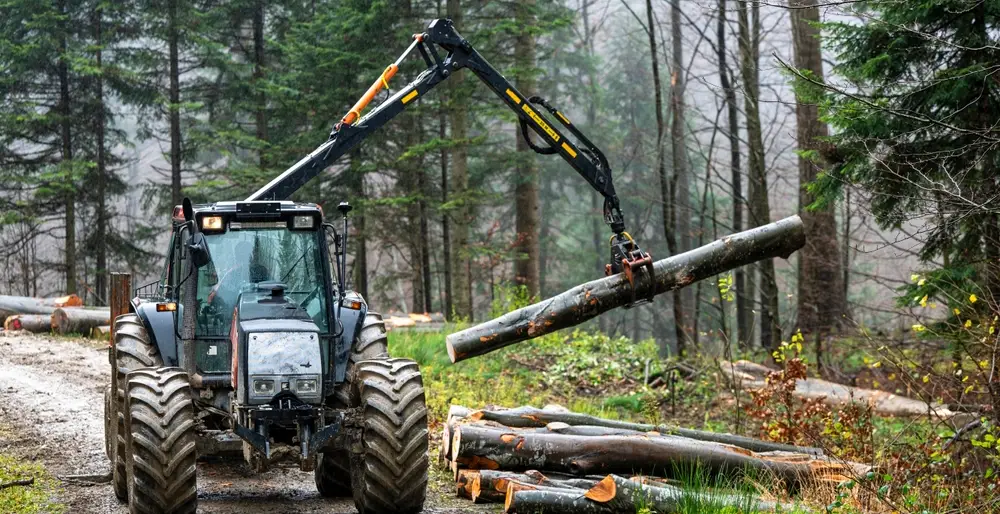
Sustainable harvesting methods are radically transforming the traditional approach to logging and skidding. The strategic use of forestry winches helps minimize soil damage and preserve young growth during harvesting operations. This selective approach protects the natural regeneration of forests.
Careful planning of skidding trails significantly reduces the impact on the forest ecosystem. By concentrating machine traffic on pre-established routes, operators preserve most of the vegetation cover and maintain the integrity of forest soils.
- Rotation of harvesting areas to allow regeneration
- Preservation of wildlife corridors during operations
- Protection of wetlands and waterways
- Retention of habitat trees for local biodiversity
These techniques require specialized training for operators, who must master both the technical aspects of the equipment and the ecological principles of sustainable forest management.
Preventive maintenance to optimize energy efficiency
A well-structured eco-friendly maintenance program maximizes the efficiency of forestry equipment while reducing its environmental impact. Regular preventive maintenance of forestry winches ensures optimal engine performance, thereby reducing fuel consumption and pollutant emissions.
The use of biodegradable oils and environmentally friendly lubricants protects soil and groundwater in the event of accidental leaks. These environmentally responsible products maintain equipment performance while minimizing pollution risks.
Regular inspection of filtration systems and proactive replacement of air and fuel filters optimize the energy efficiency of machines. This preventive approach also extends equipment lifespan, reducing the need for premature replacement.
The digitization of maintenance logs allows precise performance tracking and continuous optimization of operating parameters, contributing to more efficient use of energy resources.
Waste management and component recycling
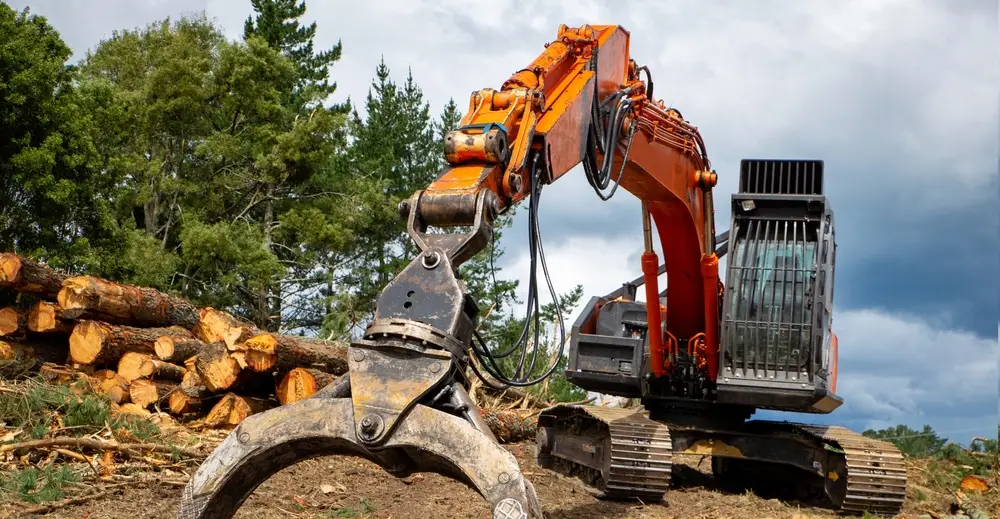
Responsible waste management for forestry equipment is a major challenge for the industry. Used oils, filters, and metal parts can be recycled or processed according to environmentally responsible procedures. This circular approach reduces the overall environmental impact of forestry operations.
Manufacturers are developing take-back programs for old equipment, allowing materials to be recycled and still-functional components to be repurposed. This circular economy transforms industrial waste into resources for new equipment.
Repairing and refurbishing forestry winches is an environmentally friendly alternative to systematic replacement. These practices significantly extend the service life of equipment while reducing demand for raw materials and manufacturing energy.
Operator training and awareness
The effectiveness of environmental practices depends largely on the awareness and training of forestry equipment operators. Specialized training programs teach fuel-efficient driving techniques, optimization of work cycles, and identification of ecologically sensitive areas.
Mastery of new onboard technologies allows operators to fully utilize the ecological features of modern equipment. Real-time monitoring systems provide valuable data on energy consumption and the environmental impact of operations.
Eco-driving certifications enhance professionals’ skills while ensuring the effective application of environmental best practices in the field. This professional approach contributes to the positive evolution of the entire forestry sector.
Adopting responsible environmental practices in the use of forestry equipment represents a strategic investment in the future of your business and our forests. At Logging Winch Depot, we support professionals in this transition toward more sustainable operations by offering high-performance, environmentally responsible equipment. Contact our experts today to discover our eco-friendly solutions and optimize the environmental impact of your operations.