
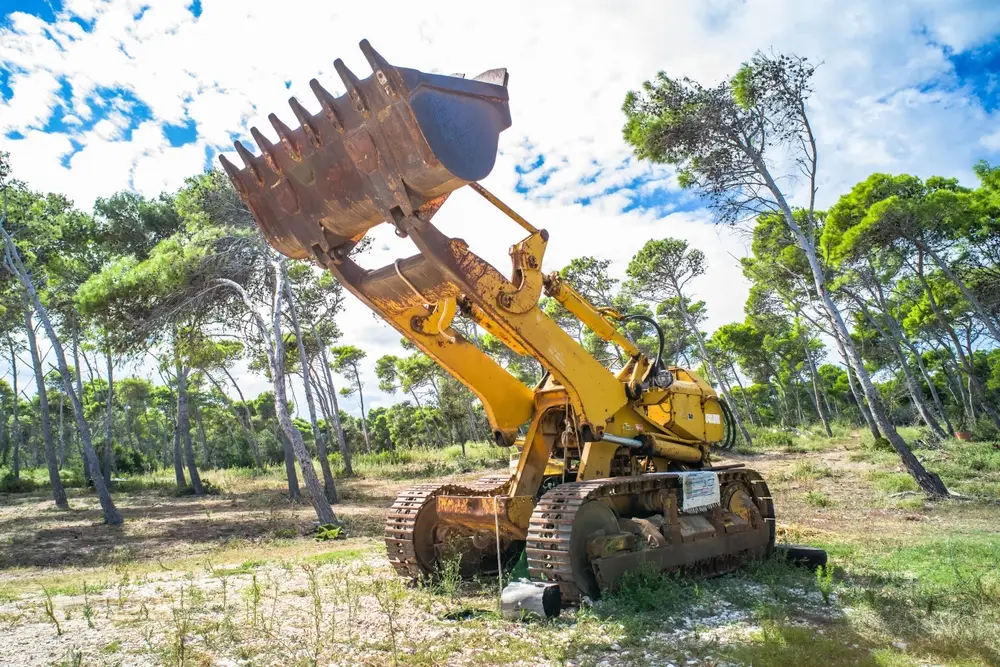
In the forestry industry, the use of heavy equipment such as skidding winches, harvesters, and forwarders presents unique safety challenges. Every year, preventable accidents occur on forestry worksites, causing serious injuries and significant economic losses. Forestry operators who master proper safety practices not only protect their team, but also optimize the productivity of their operations. A proactive approach to heavy equipment safety turns risks into lasting competitive advantages.
Preparation and inspection before operating forestry machines
Safety begins long before starting the engine. A rigorous daily inspection is the first line of defense against dangerous breakdowns. Systematically check the condition of winch cables, looking for signs of wear, corrosion, or deformation that could cause failure under load.
Check hydraulic fluid levels and identify any potential leaks that could weaken the performance of cylinders and motors. Test all braking, lighting, and audible warning systems before every shift. A well-maintained machine reduces the risk of accidents by 70% according to industry statistics.
- Visual inspection of load-bearing structures and anchor points
- Verification that all safety devices are functioning properly
- Testing radio communications with the ground crew
- Checking the condition of tracks or tires depending on the type of machine
Training and certification of heavy equipment operators
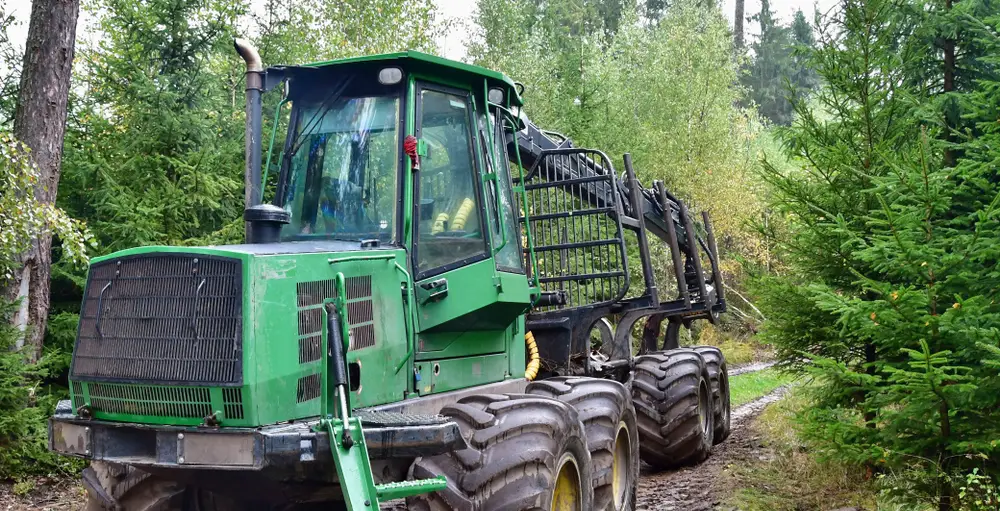
A qualified operator is the most crucial link in the safety chain. Technical training alone is no longer enough in the modern forestry environment: operators must understand the physical principles that govern their equipment, anticipate the behavior of suspended loads, and master emergency procedures.
Current certification programs incorporate digital simulation, allowing operators to practice dangerous scenarios without real-world risk. This approach significantly reduces training time while improving retention of critical knowledge.
Ongoing training remains essential: technologies evolve, regulations become stricter, and best practices improve through the industry’s collective experience. Plan quarterly refresher sessions to maintain an optimal level of expertise.
Essential skills for forestry machine safety
Master safe working load calculations, generally set at 20% of the cable’s breaking strength. Develop your spatial awareness to assess safe distances and exclusion zones around operating machines. Learn to read weather signals that affect the stability of lifting operations.
Safety protocols for skidding operations
Mechanized skidding concentrates the highest risks in forestry operations. Coordination between the winch operator and ground crews requires clear communication and strict protocols. Establish unambiguous visual and sound codes for each situation: start, emergency stop, change of direction.
Physically mark work zones with visible signage at a minimum of 100 meters. No personnel should be in line with tensioned cables or within a radius equal to twice the height of the felled trees. These safety distances may seem excessive, but they save lives in the event of unpredictable failures.
Adjust your skidding speed to ground conditions: wet soil, steep slopes, and natural obstacles drastically change the forces at play. An experienced operator reduces speed by 40% in wet conditions and doubles inspection time on rough terrain.
- Constant communication between the operator and the ground crew
- Strict compliance with maximum authorized loads
- Continuous weather monitoring
- Clearly defined emergency evacuation procedures
Preventive maintenance and management of mechanical risks
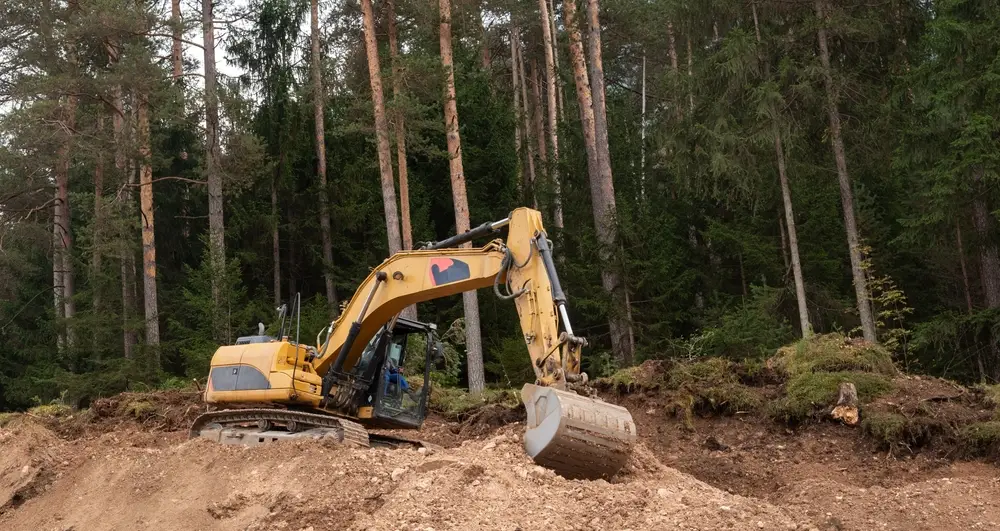
Preventive maintenance goes beyond simple repair: it anticipates failures before they compromise safety. Establish a maintenance schedule based on actual operating hours rather than arbitrary intervals. Forestry conditions accelerate component wear by 200% compared with standard applications.
Carefully document every intervention, replaced part, and detected anomaly. This traceability reveals failure patterns specific to your operation and helps optimize inventory for critical parts. A synchronized electronic maintenance log allows real-time tracking and automatic alerts.
Train your operators to recognize early signs of breakdown: unusual vibrations, abnormal noises, excessive temperatures, or erratic control behavior. Early detection prevents most catastrophic failures and related accidents.
Managing critical spare parts for safety
Build a strategic stock focused on safety-related components: cables, brakes, hydraulic systems, and protective devices. Immediate availability of these parts reduces the temptation to operate defective equipment. Negotiate express delivery agreements with your specialized suppliers.
Regulatory compliance and safety documentation
Safety regulations are constantly evolving, incorporating lessons learned from accidents and technological innovations. Maintain active regulatory monitoring and adapt your procedures accordingly. Surprise inspections severely penalize non-compliance, with major financial and legal consequences.
Systematically document your safety procedures, delivered training, and near-miss incidents. This documentation legally protects your company and demonstrates your commitment to safety during audits. It also serves as a valuable knowledge base for training new operators.
Collaborate with certification bodies to stay at the forefront of best practices. Their technical expertise and broad industry perspective help strengthen your own safety protocols.
Mastering forestry heavy equipment safety requires total commitment and continuous improvement. Investments in training, maintenance, and safety equipment generate lasting returns through increased productivity, stronger reputation, and preservation of human capital. Contact our experts to assess your specific needs in safe forestry equipment and optimize your operations according to the highest industry standards.