
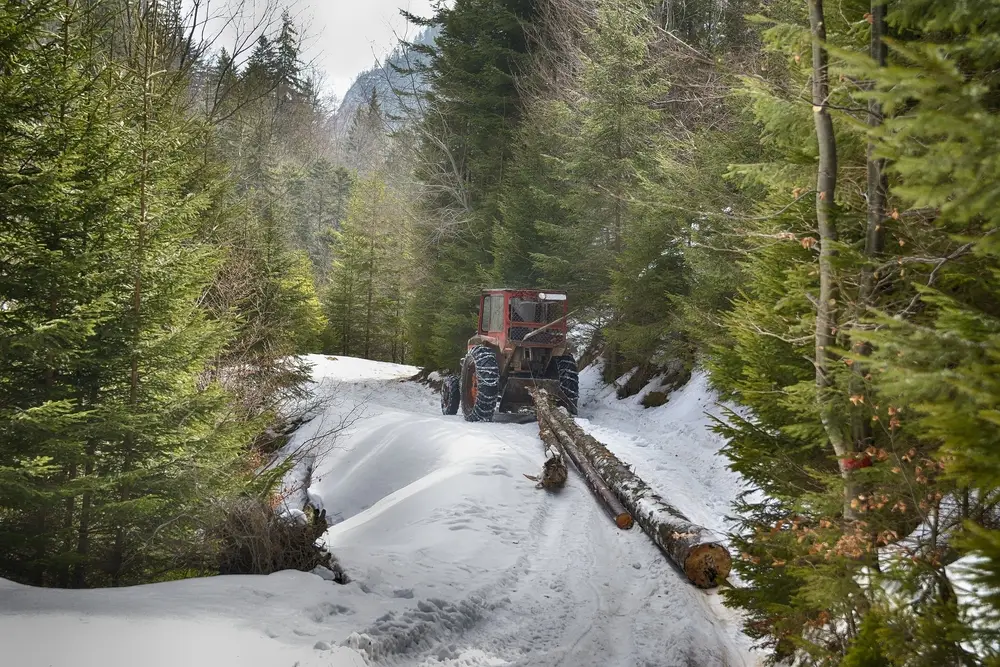
Selecting the right logging winch requires careful evaluation of critical technical specifications that directly impact operational efficiency, safety, and long-term performance in demanding forestry environments. Understanding these key features ensures optimal equipment investment for professional logging operations, from small-scale timber harvesting to large commercial forest management projects.
Line pull capacity and power transmission systems
The foundation of any effective logging winch lies in its line pull capacity, measured in pounds or tons of pulling force. This specification determines the maximum load the winch can handle safely and efficiently. Professional forestry operations typically require winches with pulling capacities ranging from 8,000 to 40,000 pounds, depending on the timber size and terrain challenges.
Power transmission systems vary significantly between hydraulic, mechanical, and PTO-driven configurations. Hydraulic winches offer superior control and consistent performance across varying load conditions, making them ideal for precision logging operations. Mechanical winches provide robust simplicity and lower maintenance requirements, while PTO systems integrate seamlessly with existing tractor equipment.
- Hydraulic systems: Precise control, variable speed, consistent power delivery
- Mechanical drive: Durability, simplified maintenance, cost-effective operation
- PTO configurations: Equipment integration, versatile mounting options
Cable specifications and drum design considerations
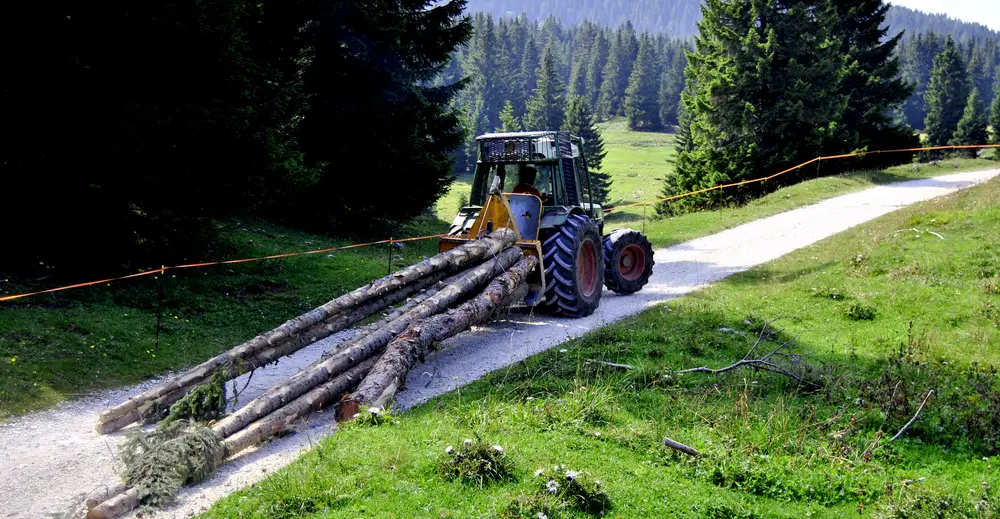
Cable selection significantly impacts winch performance and operational safety. Wire rope diameter must match the winch drum specifications while providing adequate breaking strength for intended applications. Standard forestry winches accommodate cables ranging from 5/16-inch to 5/8-inch diameter, with breaking strengths from 7,000 to 26,000 pounds.
Drum design affects cable capacity, spooling efficiency, and operational speed. Larger diameter drums reduce cable stress during operation and provide increased line speed, while grooved drums ensure proper cable alignment and prevent binding under heavy loads. Multi-layer spooling systems maximize cable capacity within compact winch designs.
Cable construction varies between standard galvanized steel, stainless steel for corrosive environments, and specialized logging cables with enhanced flexibility. Proper cable selection extends equipment life and maintains consistent pulling performance throughout demanding forestry operations.
Safety systems and operational controls
Modern logging winches incorporate multiple safety features designed to protect operators and equipment during high-stress operations. Load-holding valves prevent uncontrolled load movement, while pressure relief systems protect hydraulic components from damage during overload conditions.
Control systems range from basic lever operations to advanced remote control configurations. Remote control systems enhance operator safety by maintaining safe distances from moving loads and hazardous terrain. Proportional control valves provide smooth, precise winch operation essential for delicate timber positioning.
- Load-holding valves: Prevent runaway loads, maintain position under load
- Pressure relief systems: Component protection, operational safety
- Remote controls: Operator safety, positioning flexibility
- Emergency stops: Immediate operation cessation, crisis response
Mounting configurations and installation requirements
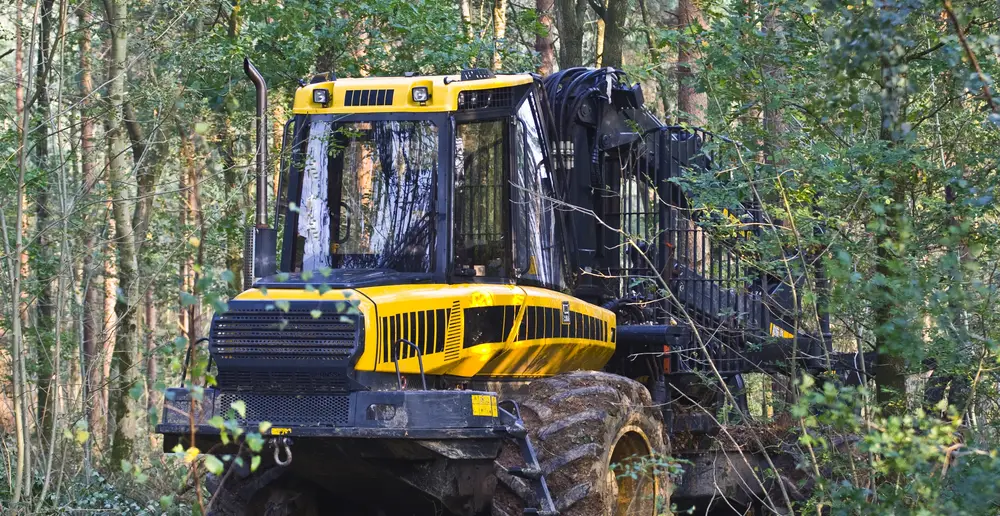
Winch mounting systems must accommodate diverse vehicle platforms while maintaining structural integrity under extreme operational loads. Frame-mounted systems provide maximum stability for heavy-duty applications, while bumper-mounted configurations offer versatility for lighter forestry work.
Installation requirements include adequate power supply, proper hydraulic connections, and structural reinforcement of mounting points. Professional installations ensure optimal winch performance and prevent equipment damage from improper mounting procedures. Universal mounting plates simplify installation across different vehicle platforms.
Consideration of working angles, approach angles, and cable routing during installation planning maximizes operational efficiency and extends equipment service life. Proper installation directly impacts winch performance, safety, and maintenance requirements throughout the equipment lifecycle.
Maintenance features and service accessibility
Equipment longevity in harsh forestry environments depends heavily on maintenance accessibility and service-friendly design features. Quality logging winches incorporate easily accessible grease fittings, replaceable wear components, and simplified hydraulic connections for routine maintenance procedures.
Sealed bearing systems protect critical components from contamination while reducing maintenance frequency. Modular component design enables efficient field repairs and reduces operational downtime during equipment service. Quality manufacturers provide comprehensive parts availability and technical support for professional forestry operations.
Regular maintenance schedules, proper lubrication procedures, and component inspection protocols ensure reliable winch performance throughout demanding logging seasons. Understanding maintenance requirements during equipment selection prevents unexpected operational interruptions and reduces total ownership costs.
Environmental considerations and durability standards
Forestry environments present unique challenges including extreme temperatures, moisture exposure, and debris contamination. Weather-resistant construction features powder-coated finishes, sealed electrical connections, and corrosion-resistant materials ensure reliable performance across diverse environmental conditions.
Durability standards vary significantly between consumer-grade and professional forestry equipment. Commercial logging winches incorporate heavy-duty construction, reinforced mounting points, and industrial-grade components designed for continuous operation under demanding conditions. Professional-grade winches provide superior longevity and consistent performance compared to lighter-duty alternatives.
Understanding the relationship between key technical features in logging winch selection ensures optimal equipment choices for specific forestry applications. Professional evaluation of line pull capacity, safety systems, and durability standards provides the foundation for successful logging operations. Contact our technical experts to discuss your specific winch requirements and receive personalized equipment recommendations tailored to your forestry operation needs.