
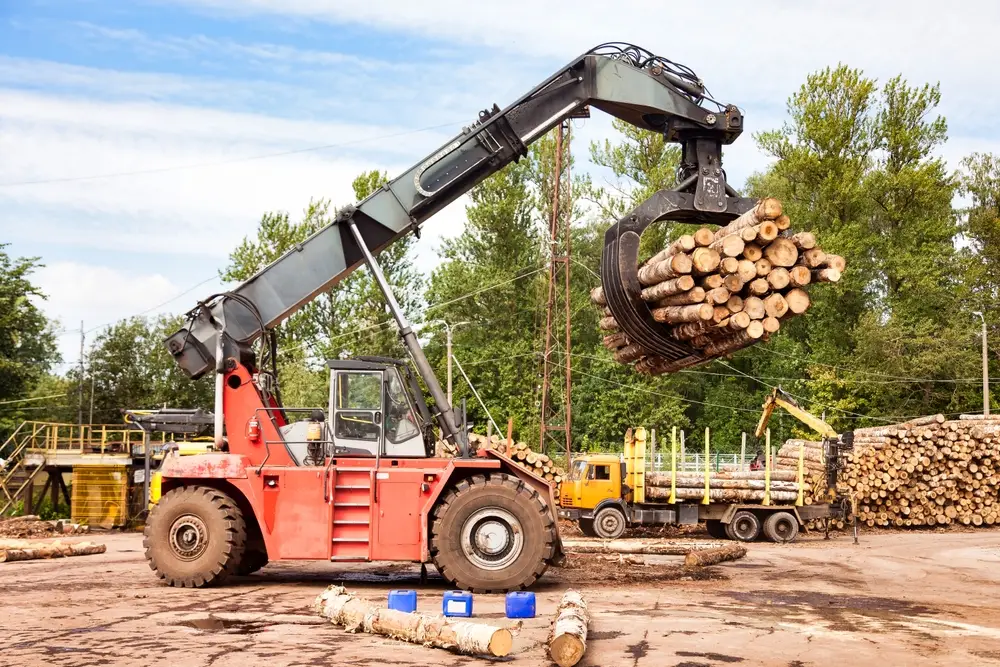
Forestry operations face unique challenges as seasons shift, with each transition bringing distinct demands on equipment performance and reliability. From the freeze-thaw cycles of spring to the extreme heat of summer and the harsh conditions of winter logging, preparing forestry machinery for seasonal changes is critical for maintaining operational efficiency and preventing costly breakdowns. Professional loggers and forestry contractors understand that proactive maintenance and seasonal preparation can mean the difference between profitable operations and expensive downtime.
Seasonal preparation goes beyond basic maintenance routines. It requires a comprehensive understanding of how temperature fluctuations, moisture levels, and varying terrain conditions affect logging winches, skidders, and other heavy forestry equipment. By implementing systematic seasonal preparation protocols, operators can maximize equipment lifespan, reduce repair costs, and ensure consistent performance throughout the year.
Spring preparation and winter damage assessment
Spring marks the beginning of intensive forestry operations after winter’s dormant period. This season demands thorough inspection and maintenance of all forestry machinery to address potential damage from freeze-thaw cycles and extended storage periods. Hydraulic systems require particular attention, as seals and hoses may have contracted during cold months, potentially causing leaks or reduced pressure.
Begin spring preparation by conducting comprehensive fluid checks across all systems. Engine oil, hydraulic fluid, and coolant should be inspected for contamination, proper levels, and consistency. Winter conditions can introduce moisture into these systems, leading to corrosion or reduced lubrication effectiveness. Replace filters throughout the machinery, including air, fuel, and hydraulic filters, to ensure optimal performance as operations resume.
Examine all logging winch components for signs of corrosion, worn cables, and damaged pulleys. Winter storage, even in protected environments, can allow moisture to accumulate on critical components. Test winch operation at low loads before full deployment, checking for smooth cable spooling and consistent pulling power. Inspect electrical connections and control systems, as moisture infiltration during winter months can cause intermittent failures or complete system breakdowns.
Tire and track inspection becomes crucial as spring operations often involve navigating soft, muddy terrain. Check tire pressure, tread wear patterns, and sidewall integrity. For tracked equipment, examine track tension and replace worn pads that may have deteriorated during winter storage. Proper ground contact is essential for maintaining stability and preventing damage to sensitive forest floors.
Summer heat management and performance optimization
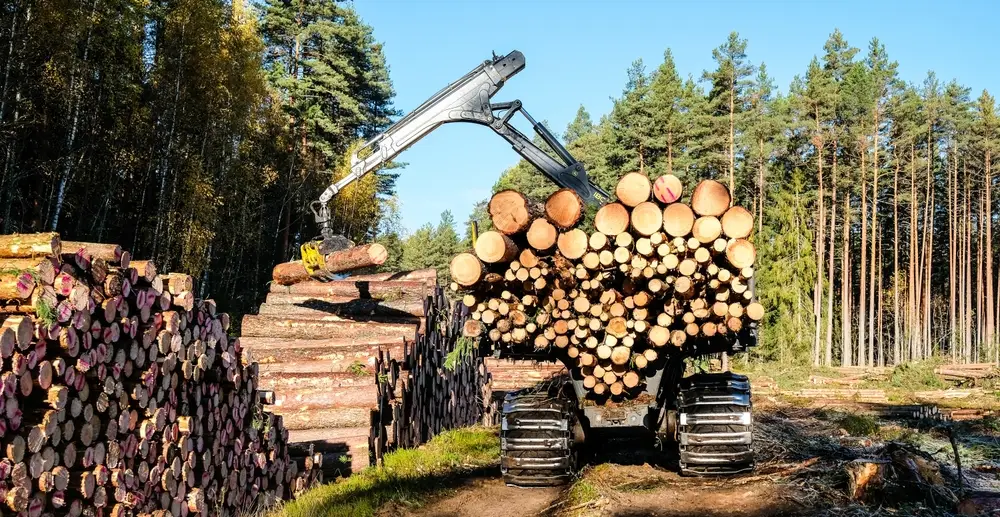
Summer operations present unique challenges as forestry machinery faces extreme temperatures, dust accumulation, and extended operating hours. Cooling system maintenance becomes paramount during this season, with radiator cleaning and coolant system inspection taking priority. Dust and debris can quickly clog radiator fins, leading to overheating and potential engine damage.
Implement daily pre-operation inspections during summer months, focusing on cooling system components. Clean radiator screens and fins regularly, and monitor coolant levels throughout each shift. Consider upgrading to heavy-duty coolant formulations designed for extreme operating conditions. Hydraulic oil temperatures also require monitoring, as overheated fluid can damage seals and reduce system efficiency.
Air filtration systems work overtime during dusty summer conditions. Engine air filters may require replacement more frequently than manufacturer recommendations suggest. Clogged filters reduce engine power and increase fuel consumption, impacting overall operational efficiency. Install pre-cleaners or upgraded filtration systems in particularly dusty environments to extend filter life and protect engine components.
Lubrication schedules should be adjusted for summer operations, with more frequent greasing of pivot points, winch drums, and boom mechanisms. High temperatures can break down lubricants more quickly, requiring shorter intervals between applications. Use high-temperature grease formulations specifically designed for heavy equipment operations in extreme conditions.
Fall maintenance and winter preparation strategies
Fall represents a critical transition period for forestry operations, requiring comprehensive maintenance to prepare equipment for winter storage or cold-weather operations. This season demands systematic attention to all mechanical systems, with particular focus on fluid changes and system preservation.
Complete fluid system overhauls should occur during fall maintenance cycles. Replace engine oil with winter-grade formulations that maintain viscosity in cold temperatures. Hydraulic systems require similar attention, with fluid replacement and system flushing to remove contaminants that could cause problems during cold-weather operations. Add fuel stabilizers to prevent fuel system issues during extended storage periods.
Battery and electrical system maintenance becomes crucial as cold weather approaches. Test battery capacity and charging system performance, replacing weak batteries before they fail during critical operations. Clean battery terminals and apply protective coatings to prevent corrosion. Inspect all electrical connections for tightness and signs of wear, as cold temperatures can exacerbate connection problems.
Implement comprehensive greasing schedules during fall preparation, ensuring all lubrication points receive fresh grease before cold weather sets in. Pay special attention to winch mechanisms and boom pivot points, as these components face the greatest stress during winter operations. Consider switching to cold-weather grease formulations that maintain consistency in freezing temperatures.
Winter operations and extreme weather protocols
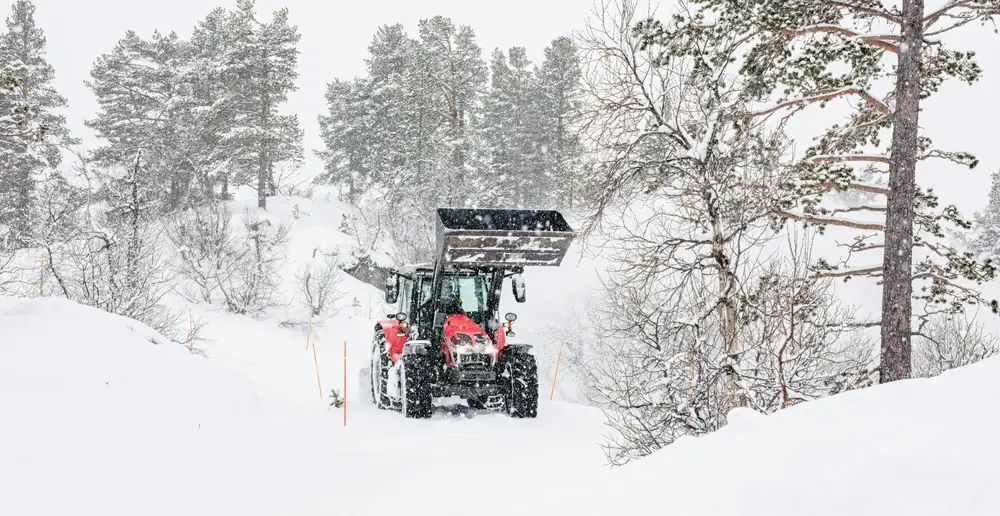
Winter forestry operations demand specialized preparation and ongoing maintenance protocols to ensure equipment reliability in harsh conditions. Cold temperatures, snow, and ice create unique challenges that require proactive management strategies and equipment modifications.
Engine warming procedures become essential during winter operations. Implement block heater systems or auxiliary heating units to maintain optimal operating temperatures during shutdown periods. Cold starts can cause significant engine wear and reduce overall equipment lifespan. Establish pre-operation warming protocols that allow engines and hydraulic systems to reach operating temperature before heavy work begins.
Hydraulic systems require special attention during winter operations, as cold temperatures can cause fluid to thicken and seals to contract. Use winter-grade hydraulic fluids that maintain proper viscosity in freezing conditions. Monitor system pressure and response times, as cold fluid may cause sluggish operation or reduced performance. Consider installing hydraulic tank heaters for extreme cold conditions.
Cable and winch maintenance becomes critical during winter operations, as ice accumulation and temperature fluctuations can affect cable integrity. Inspect cables daily for ice buildup, broken strands, or kinks that could cause failure under load. Apply appropriate cable lubricants designed for cold-weather operation to prevent ice formation and reduce wear.
Implement comprehensive daily inspection routines during winter operations, checking for ice accumulation on critical components, fluid leaks that may freeze and cause system damage, and proper operation of all safety systems. Keep emergency repair supplies readily available, including spare hoses, fittings, and fluids appropriate for cold-weather conditions.
Professional maintenance scheduling and documentation
Successful seasonal preparation requires systematic maintenance scheduling and comprehensive documentation of all service activities. Establishing formal maintenance protocols ensures nothing is overlooked during critical transition periods and provides valuable data for optimizing future preparation strategies.
Develop seasonal maintenance checklists specific to each piece of equipment in your fleet. These checklists should include manufacturer recommendations along with experience-based additions relevant to local operating conditions. Document completion dates, parts replaced, and any issues discovered during maintenance activities. This information becomes invaluable for predicting future maintenance needs and identifying recurring problems.
Consider implementing predictive maintenance strategies using oil analysis, vibration monitoring, and thermal imaging to identify potential problems before they cause equipment failures. These technologies can provide early warning of developing issues, allowing for planned repairs during convenient downtime rather than emergency situations during critical operations.
Professional forestry operations benefit from establishing relationships with qualified maintenance providers who understand the unique demands of logging equipment. Schedule major service work during seasonal transition periods when equipment downtime has minimal operational impact. Ensure service providers stock appropriate parts and fluids for your specific equipment models and operating conditions.
Preparing forestry machinery for seasonal changes requires systematic planning, comprehensive maintenance protocols, and ongoing attention to equipment condition throughout the year. By implementing these strategies, operators can maximize equipment reliability, reduce operating costs, and maintain consistent productivity regardless of seasonal challenges. Professional maintenance scheduling and documentation ensure that critical preparation steps are completed consistently, protecting your investment in quality forestry equipment. Contact our maintenance specialists today to develop customized seasonal preparation protocols for your forestry equipment fleet and ensure optimal performance throughout the year.