
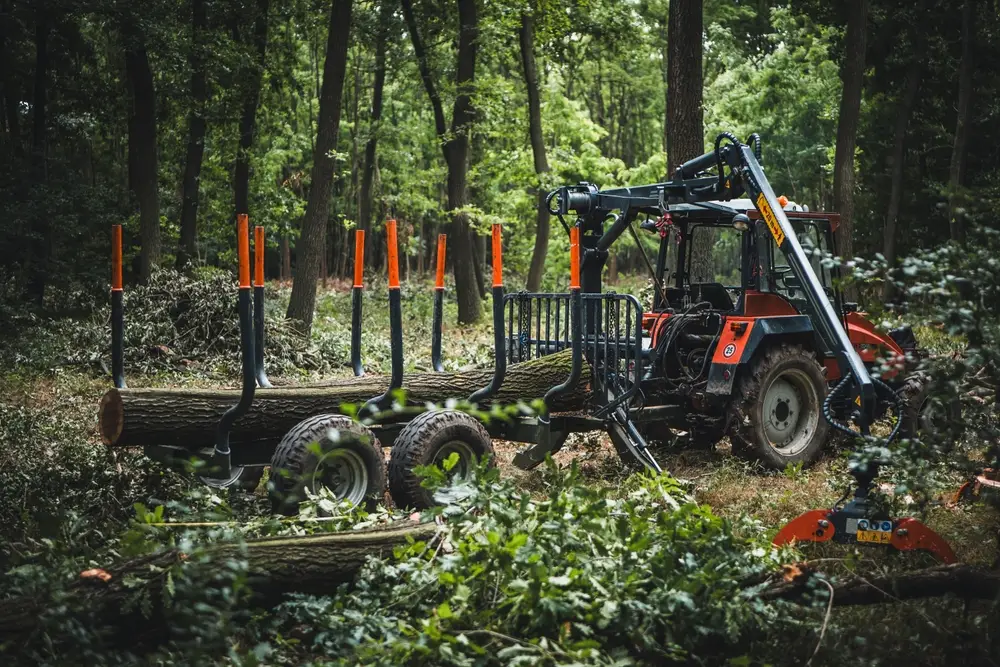
Selecting the right logging winch is a critical decision that can make or break your forestry operation’s efficiency and profitability. With steep terrain, heavy timber loads, and demanding working conditions, your winch becomes the backbone of your logging equipment. Whether you’re extracting hardwood from mountainous terrain or managing selective harvesting in dense forests, understanding the key factors that influence winch selection will help you invest in equipment that delivers reliable performance for years to come.
Understanding your terrain and operational requirements
The first step in choosing the right logging winch involves thoroughly assessing your work environment and operational needs. Terrain characteristics play a crucial role in determining the specifications your winch must meet. Steep slopes require winches with higher pulling capacity and superior braking systems to maintain control during timber extraction.
Consider the average size and weight of timber you’ll be handling. Hardwood species like oak and maple demand more pulling force than softwoods, while tree diameter and length directly impact the load your winch must manage. Document your typical log sizes and calculate the maximum loads you expect to encounter during peak operations.
Distance becomes another critical factor. If you’re pulling logs over extended distances, you’ll need a winch with sufficient cable capacity and consistent pulling power throughout the entire extraction process. Working radius requirements often determine cable length specifications, which in turn influence winch drum size and overall equipment dimensions.
Evaluating winch capacity and power specifications
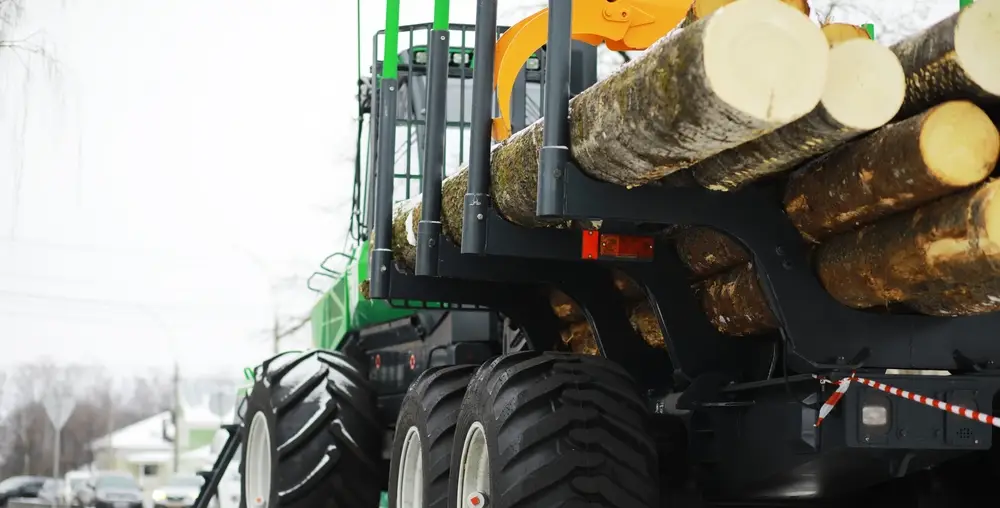
Winch capacity represents the maximum load your equipment can safely handle, but understanding the relationship between line pull capacity and cable layers is essential for proper selection. First-layer pull capacity provides maximum force, while outer layers reduce pulling power due to increased drum diameter.
Power source compatibility determines integration with your existing equipment fleet. Hydraulic winches offer smooth operation and precise control, making them ideal for selective logging where accuracy matters. PTO-driven winches provide reliable power directly from your tractor or skidder, while electric winches suit operations with consistent power availability.
Consider duty cycle requirements for your operation. Continuous-use applications demand winches designed for extended operation without overheating, while intermittent-use scenarios may allow for more compact, cost-effective solutions. Thermal management becomes particularly important in high-production environments where equipment runs throughout extended shifts.
Cable specifications and safety factors
Cable selection directly impacts winch performance and operational safety. Wire rope diameter, construction, and material composition must match your winch’s specifications while providing adequate strength for your heaviest loads. Factor in safety margins that account for shock loading, cable wear, and dynamic forces encountered during timber extraction.
Matching winch features to logging applications
Different logging operations require specific winch features to optimize productivity and safety. Selective logging operations benefit from winches with precise speed control and smooth operation that minimize damage to surrounding timber. Fine-tuned control systems allow operators to navigate logs around standing trees while maintaining steady progress.
Clearcut operations often prioritize speed and capacity over precision, making high-capacity winches with robust construction the preferred choice. These applications typically involve larger timber volumes and less concern about maneuvering around obstacles, allowing for more aggressive extraction techniques.
Remote control capabilities enhance operator safety by allowing winch operation from protected positions away from falling timber and moving logs. Wireless control systems provide flexibility while maintaining precise operational control, particularly valuable in hazardous terrain or when working around equipment.
Durability and maintenance considerations
Logging environments subject equipment to extreme conditions including moisture, debris, temperature variations, and constant vibration. Choose winches with sealed components and corrosion-resistant materials that withstand these harsh conditions without frequent maintenance interruptions.
Access to replacement parts and service support influences long-term operational costs. Established manufacturers with comprehensive parts networks and trained service technicians provide better support for equipment maintenance and emergency repairs.
Integration with existing equipment and safety systems
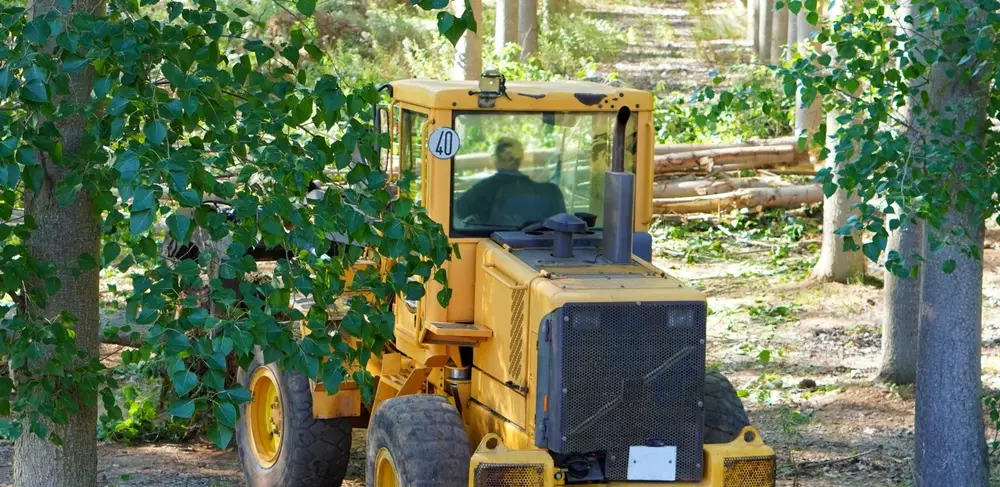
Your new logging winch must integrate seamlessly with existing equipment to maximize operational efficiency. Mounting compatibility with your current tractor, skidder, or logging truck eliminates the need for additional modifications or auxiliary equipment purchases.
Hydraulic system requirements should match your base machine’s capacity and flow rates. Mismatched hydraulic specifications can result in poor winch performance, excessive heat generation, or damage to either the winch or host machine. Verify pressure ratings, flow requirements, and filtration needs before making your final selection.
Safety features deserve special attention when evaluating winch options. Load monitoring systems prevent overloading that could damage equipment or create hazardous situations. Emergency stop controls and automatic brake systems provide operators with immediate response capabilities during unexpected situations.
Operator training and operational procedures
Even the best logging winch requires proper operator training to deliver safe, efficient performance. Ensure your team understands load limits, proper rigging techniques, and maintenance procedures specific to your chosen equipment. Well-trained operators maximize equipment lifespan while minimizing accident risks.
Budget considerations and return on investment
While initial purchase price influences equipment selection, consider total cost of ownership when evaluating logging winch options. Higher-quality winches often provide better long-term value through reduced maintenance costs, improved reliability, and extended service life.
Calculate productivity improvements that justify equipment investment. Faster cycle times, increased payload capacity, and reduced downtime contribute to improved profitability that can offset higher initial costs. Factor in fuel efficiency improvements and reduced labor requirements when comparing different winch options.
Financing options and equipment warranties provide additional considerations for budget planning. Extended warranties and comprehensive service agreements protect your investment while providing predictable maintenance costs throughout the equipment’s service life.
Selecting the right logging winch requires careful analysis of your specific operational needs, terrain challenges, and performance expectations. By thoroughly evaluating capacity requirements, power specifications, and integration needs, you’ll choose equipment that enhances productivity while ensuring safe, reliable operation. Contact our experienced team today to discuss your logging winch requirements and discover how the right equipment can transform your forestry operation’s efficiency and profitability.