
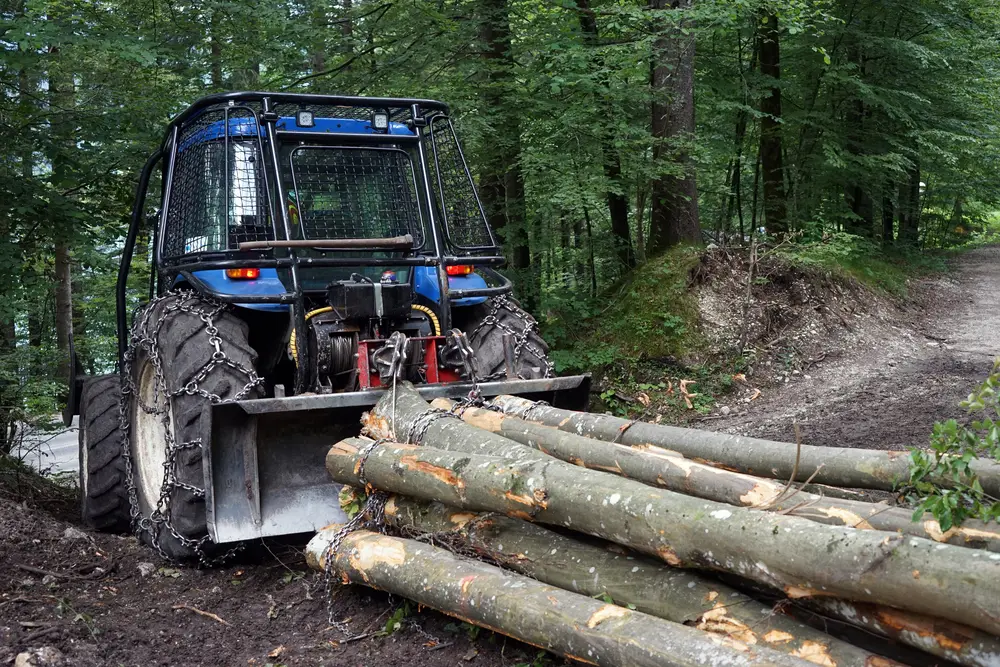
Forestry winches are the backbone of logging operations, subjected to extreme conditions and heavy loads on a daily basis. Whether you’re hauling massive timber through dense forest terrain or operating in harsh weather conditions, your logging winch performance directly impacts productivity and safety. Proper maintenance isn’t just about preventing breakdowns – it’s about maximizing equipment lifespan, ensuring operator safety, and maintaining peak operational efficiency in demanding forestry environments.
Essential daily inspection routines for logging winches
The foundation of effective forestry winch maintenance begins with comprehensive daily inspections before equipment startup. Start by examining the wire rope or cable for signs of fraying, kinking, or broken strands. Even minor damage can escalate quickly under load, potentially causing catastrophic failure during critical operations.
Check all visible bolts, pins, and mounting hardware for proper torque specifications. Vibration from heavy-duty operations can gradually loosen critical connections, compromising structural integrity. Pay particular attention to drum mounting bolts and fairlead assemblies, as these components experience the highest stress levels during winching operations.
Inspect hydraulic lines and fittings for leaks, cracks, or excessive wear. Hydraulic fluid contamination or loss can severely impact winch performance and lead to expensive repairs. Look for signs of fluid accumulation around seals and connections, and verify proper fluid levels according to manufacturer specifications.
Document all inspection findings in a maintenance log. This systematic approach helps identify recurring issues and establishes maintenance patterns that can predict component replacement schedules, ultimately reducing unexpected downtime in remote logging locations.
Lubrication schedules and proper fluid management
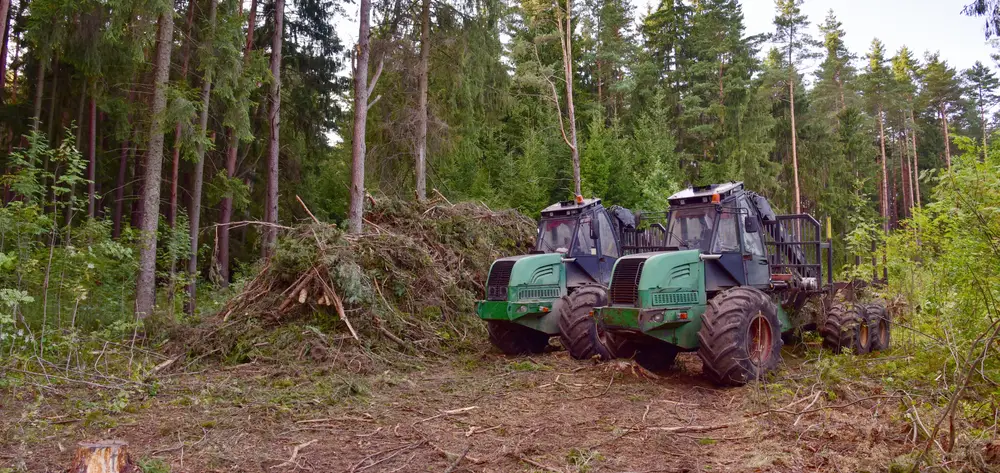
Effective lubrication management is critical for forestry equipment durability and operational reliability. Different winch components require specific lubrication intervals based on operating conditions and manufacturer recommendations. Drum bearings typically require greasing every 40-50 operating hours, while fairlead blocks may need attention every 20-25 hours under heavy use.
Use only manufacturer-approved lubricants designed for forestry applications. These specialized formulations resist contamination from sawdust, dirt, and moisture while maintaining viscosity under temperature extremes common in logging environments. Mixing different lubricant types can cause chemical reactions that compromise protection properties.
Hydraulic fluid maintenance deserves special attention in forestry operations. Monitor fluid temperature during operation – excessive heat indicates potential system problems or inadequate cooling capacity. Replace hydraulic filters according to schedule, not just when they appear dirty. Contaminated fluid accelerates component wear and reduces system efficiency.
Establish a centralized lubrication station at your base of operations. Pre-measured lubricant quantities, proper storage containers, and organized dispensing equipment ensure consistent application and reduce the risk of contamination during field maintenance procedures.
Wire rope care and replacement protocols
Wire rope represents one of the most critical safety components in any logging winch system. Proper installation begins with correct spooling techniques – always maintain slight tension during initial winding to prevent loose wraps that can jam under load. Follow manufacturer specifications for wrap direction and layering patterns.
Develop a systematic wire rope inspection protocol that examines the entire length during routine operations. Look for broken wires, core protrusion, diameter reduction, or unusual wear patterns. The “one percent rule” provides a practical guideline: replace wire rope when broken wires exceed one percent of total wire count in any rope lay length.
Environmental factors significantly impact wire rope longevity in forestry applications. Exposure to moisture accelerates internal corrosion, while contact with tree sap and organic acids can weaken wire structure. Regular cleaning with appropriate solvents removes contaminants and allows thorough visual inspection of wire condition.
When replacing wire rope, ensure proper end terminations using manufacturer-approved methods. Inadequate splicing or incorrect socket installations can reduce rope strength by up to 50 percent, creating serious safety hazards during high-load operations.
Hydraulic system optimization for forestry conditions
Hydraulic systems in forestry winches face unique challenges from temperature extremes, contamination, and varying load demands. Implement a comprehensive hydraulic maintenance program that addresses filtration, fluid analysis, and component inspection on regular schedules.
Monitor system operating temperatures closely, especially during extended winching operations. Install temperature gauges and establish shutdown protocols when temperatures exceed safe operating ranges. Overheated hydraulic fluid breaks down rapidly, forming varnish and deposits that clog valves and restrict flow.
Contamination control extends beyond simple fluid changes. Examine breather caps, reservoir seals, and hydraulic tank conditions regularly. Even small amounts of water or particulate contamination can cause disproportionate system damage over time. Consider installing magnetic drain plugs to capture metallic particles that indicate internal component wear.
Pressure relief valve settings require periodic verification to ensure proper system protection. Operating pressures that exceed design specifications can cause premature component failure and create safety hazards. Use calibrated pressure gauges and follow manufacturer adjustment procedures precisely.
Troubleshooting common forestry winch issues
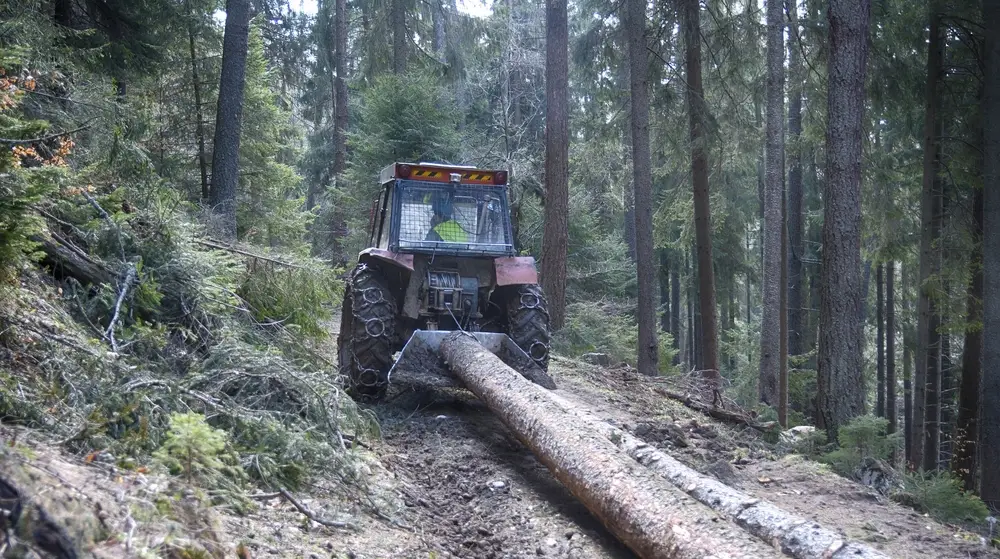
Proactive troubleshooting skills can prevent minor issues from becoming major failures in remote logging locations. Reduced winching speed often indicates hydraulic pump wear, contaminated fluid, or inadequate system pressure. Systematic pressure testing at various system points can isolate the root cause efficiently.
Erratic winch operation frequently stems from electrical control problems or hydraulic valve contamination. Clean all electrical connections and verify proper voltage supply to control systems. Hydraulic valve cleaning may require specialized equipment and should be performed according to manufacturer procedures.
Unusual noise during operation demands immediate attention. Grinding sounds typically indicate bearing wear or inadequate lubrication, while chattering noises may suggest hydraulic cavitation or low fluid levels. Document unusual sounds and operating conditions to help technicians diagnose problems accurately.
Keep detailed maintenance records including operating hours, service performed, and parts replaced. This documentation helps identify patterns that can predict future maintenance needs and supports warranty claims when necessary.
Preventive maintenance scheduling for maximum uptime
Effective maintenance scheduling balances operational demands with equipment preservation requirements. Develop maintenance intervals based on operating hours, calendar time, and operating conditions rather than reactive approaches that wait for problems to develop.
Create standardized maintenance checklists for different service intervals – daily, weekly, monthly, and seasonal schedules ensure comprehensive coverage without redundant procedures. Include specific torque values, fluid specifications, and adjustment procedures to maintain consistency across different operators and technicians.
Coordinate major maintenance activities with seasonal operational patterns. Plan intensive services during slower periods to minimize production impacts. Stock critical spare parts based on historical usage patterns and lead times for specialty forestry components.
Invest in proper maintenance tools and diagnostic equipment. Quality torque wrenches, hydraulic pressure gauges, and wire rope inspection tools pay for themselves through improved maintenance accuracy and reduced equipment downtime.
Professional forestry winch maintenance requires expertise, proper tools, and genuine replacement parts to ensure optimal performance and safety in demanding logging operations. For comprehensive maintenance services, technical support, or genuine parts procurement, contact our forestry equipment specialists who understand the unique challenges of logging operations and can provide tailored maintenance solutions for your specific equipment and operating conditions.