
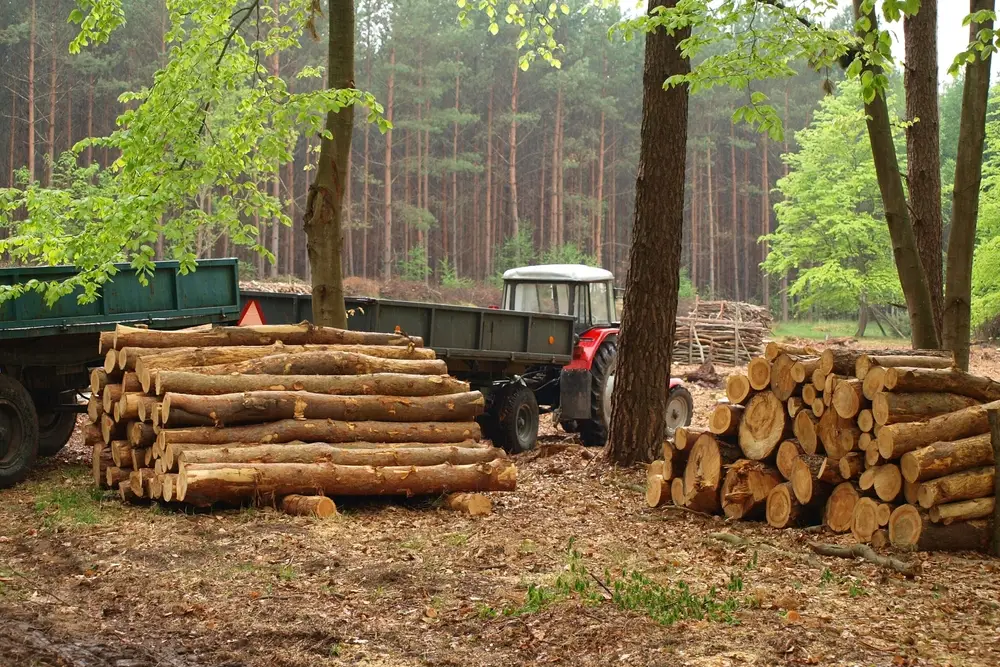
In today’s competitive forestry industry, maximizing operational efficiency with logging winches has become critical for maintaining profitable operations while meeting increasing production demands. Professional logging operations depend on reliable winch systems that can handle heavy loads, operate in challenging terrain, and deliver consistent performance throughout demanding workdays. Understanding how to optimize your winch operations can significantly impact your bottom line through reduced downtime, increased productivity, and lower operational costs.
Modern logging winches represent sophisticated engineering solutions designed to handle the most demanding forestry applications. However, even the most advanced equipment requires proper implementation and operational strategies to achieve peak performance. By focusing on key efficiency factors, forestry professionals can extract maximum value from their winch investments while ensuring safe and sustainable operations.
Essential maintenance practices for optimal logging winch performance
Preventive maintenance forms the foundation of efficient winch operations and directly impacts equipment longevity and performance reliability. Regular maintenance schedules should include comprehensive inspections of wire rope condition, drum alignment, brake system functionality, and hydraulic fluid levels. These routine checks help identify potential issues before they escalate into costly breakdowns that can halt operations.
Wire rope inspection deserves particular attention, as damaged cables represent both safety hazards and efficiency killers. Operators should examine cables for broken wires, kinks, corrosion, and wear patterns that indicate improper spooling or overloading. Proper cable lubrication using manufacturer-recommended products extends rope life and ensures smooth operation under load.
Hydraulic system maintenance requires monitoring fluid temperature, pressure levels, and filter condition. Clean hydraulic fluid at proper operating temperature ensures consistent power delivery and prevents premature component wear. Regular filter replacement maintains system cleanliness and prevents contamination-related failures that can sideline equipment during critical operations.
Documentation of maintenance activities creates valuable data for predicting component replacement needs and optimizing service intervals. This proactive approach minimizes unexpected downtime while ensuring winches operate at peak efficiency throughout their service life.
Strategic equipment selection for maximizing winch efficiency

Choosing appropriate winch specifications for specific applications significantly impacts operational efficiency and productivity. Winch capacity should match typical load requirements with adequate safety margins, while avoiding oversized units that consume unnecessary power and increase operational costs. Understanding load characteristics, pulling distances, and terrain conditions helps determine optimal winch configurations.
Drum size and cable capacity directly influence operational flexibility and efficiency. Larger drums accommodate longer cable lengths for extended reach applications, while smaller drums provide higher line speeds for repetitive short-distance pulls. Evaluating typical job requirements helps identify the ideal balance between reach capabilities and operational speed.
Power source selection between hydraulic, electric, and mechanical drive systems affects both performance characteristics and operational costs. Hydraulic winches offer excellent power-to-weight ratios and precise control, making them ideal for demanding forestry applications. Electric systems provide quiet operation and environmental benefits, while mechanical drives offer simplicity and reliability in remote locations.
Integration with existing equipment platforms requires careful consideration of mounting requirements, power availability, and control system compatibility. Proper integration ensures seamless operation while maximizing the efficiency benefits of coordinated equipment systems.
Operational techniques for enhanced logging winch productivity
Skilled operators can significantly impact winch efficiency through proper technique and strategic planning. Load positioning and approach angles affect pulling efficiency and reduce strain on equipment components. Operators should plan pulls to minimize cable angle deviations and avoid side loading that increases wear and reduces pulling capacity.
Cable spooling technique directly impacts operational efficiency and equipment longevity. Maintaining proper cable tension during retrieval prevents loose wraps that can cause binding and damage. Even cable distribution across the drum width ensures optimal capacity utilization and prevents cable crushing under load.
Understanding winch performance characteristics enables operators to work within optimal operating ranges. Operating at moderate speeds under heavy loads often proves more efficient than high-speed, light-load cycles that increase fuel consumption and component wear. Consistent operating techniques reduce stress on mechanical components while improving overall productivity.
Communication and coordination between operators and ground crews enhance safety while improving operational flow. Clear signals and predetermined procedures minimize confusion and delays while ensuring safe working conditions around powerful winch equipment.
Technology integration for modern logging winch operations
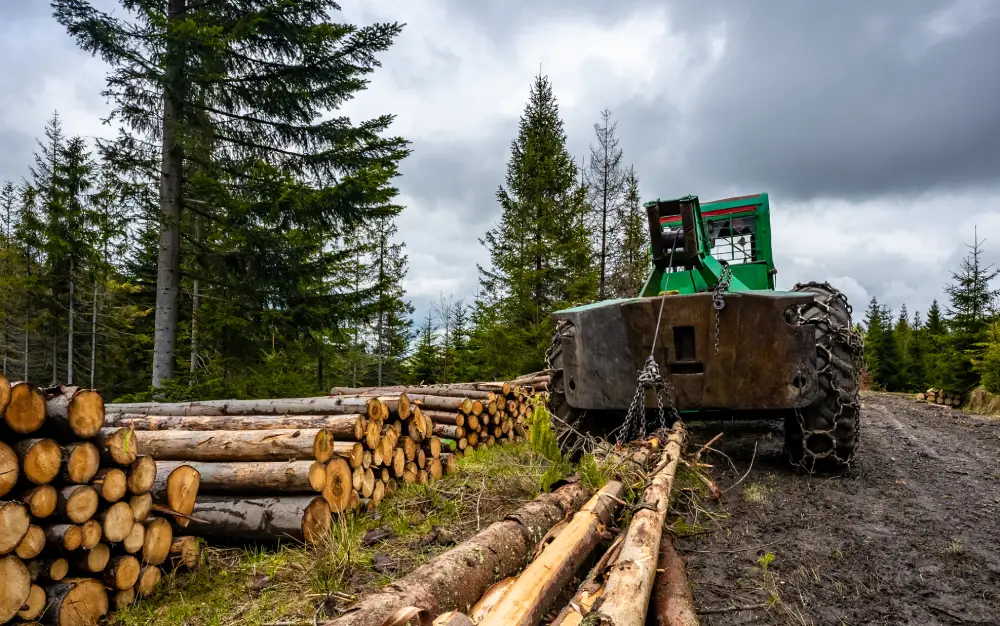
Modern technology offers significant opportunities for improving winch efficiency through data monitoring, automated controls, and performance optimization systems. Load monitoring systems provide real-time feedback on operating conditions, helping operators avoid overloading while maximizing productivity within safe parameters.
GPS integration enables precise positioning and route planning that optimizes pulling angles and minimizes unnecessary equipment movement. This technology particularly benefits large-scale operations where efficient logistics directly impact overall productivity and cost control.
Remote control systems enhance operator safety while providing better positioning flexibility for complex pulls. Wireless controls allow operators to maintain visual contact with loads while staying clear of dangerous areas, improving both safety and operational efficiency.
Data logging capabilities capture performance metrics that help identify optimization opportunities and predict maintenance needs. This information supports data-driven decisions about operational procedures and equipment utilization strategies.
Safety protocols that enhance operational efficiency
Comprehensive safety protocols not only protect personnel but also contribute to operational efficiency by preventing accidents and equipment damage. Pre-operation inspections identify potential hazards and equipment issues before they can cause injuries or costly breakdowns during operations.
Proper training ensures operators understand equipment capabilities and limitations, leading to more efficient operation within safe parameters. Regular training updates keep crews current with best practices and new safety technologies that can improve both safety and productivity.
Clear work area organization and debris management facilitate efficient operations while reducing hazards. Maintaining clear escape routes and establishing communication protocols enable faster response to changing conditions and potential emergencies.
Safety equipment maintenance ensures protection systems function properly when needed, maintaining crew confidence and operational continuity. Well-maintained safety systems contribute to efficient operations by preventing delays and disruptions caused by safety concerns.
Maximizing operational efficiency with logging winches requires a comprehensive approach combining proper equipment selection, preventive maintenance, skilled operation, and strategic technology integration. Professional forestry operations that implement these best practices achieve significant improvements in productivity, cost control, and operational reliability. For expert guidance on optimizing your winch operations or selecting equipment that maximizes efficiency for your specific applications, contact our technical specialists who can provide customized recommendations based on your operational requirements and performance goals.